


From first conversation to programme on air
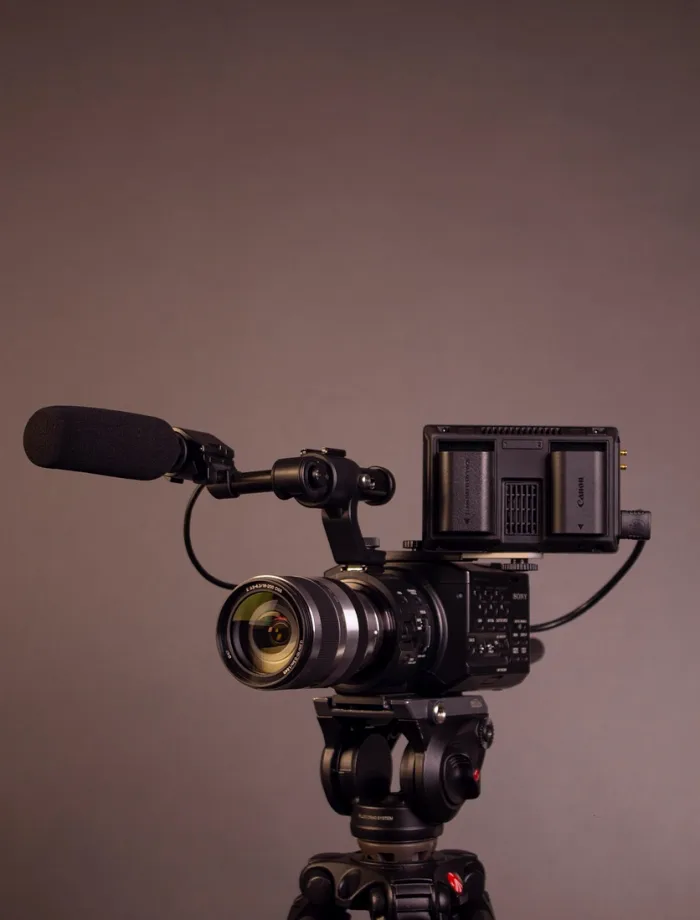
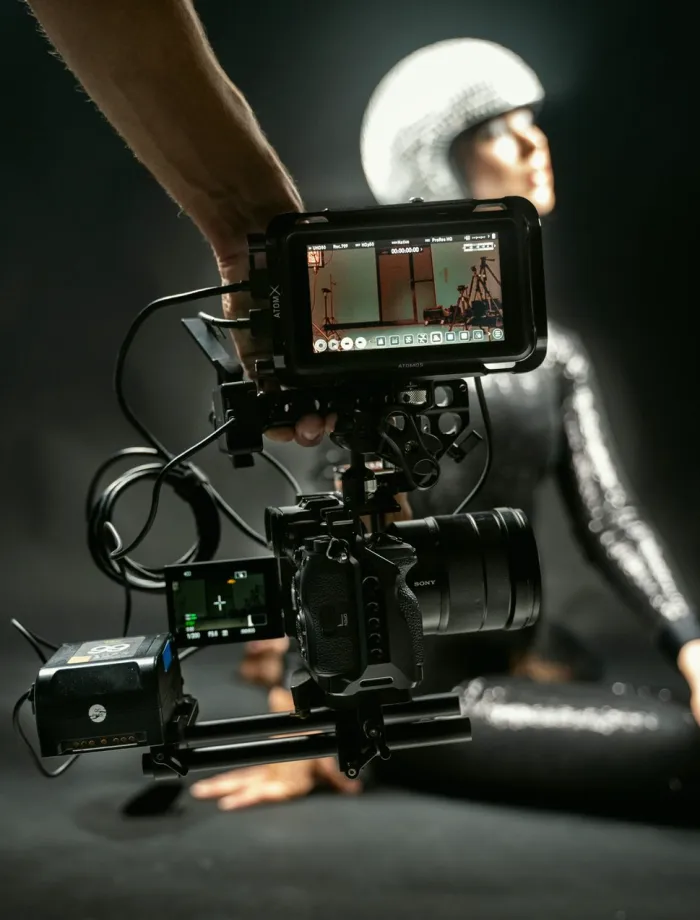
Most projects start with a short call about the programme: its format, length, venue and audience. We ask how many cameras you expect, whether the show is live or recorded, and what graphics or remote contributions are planned. This gives us enough to outline the crew and equipment and to suggest a visit if the location is new to us.
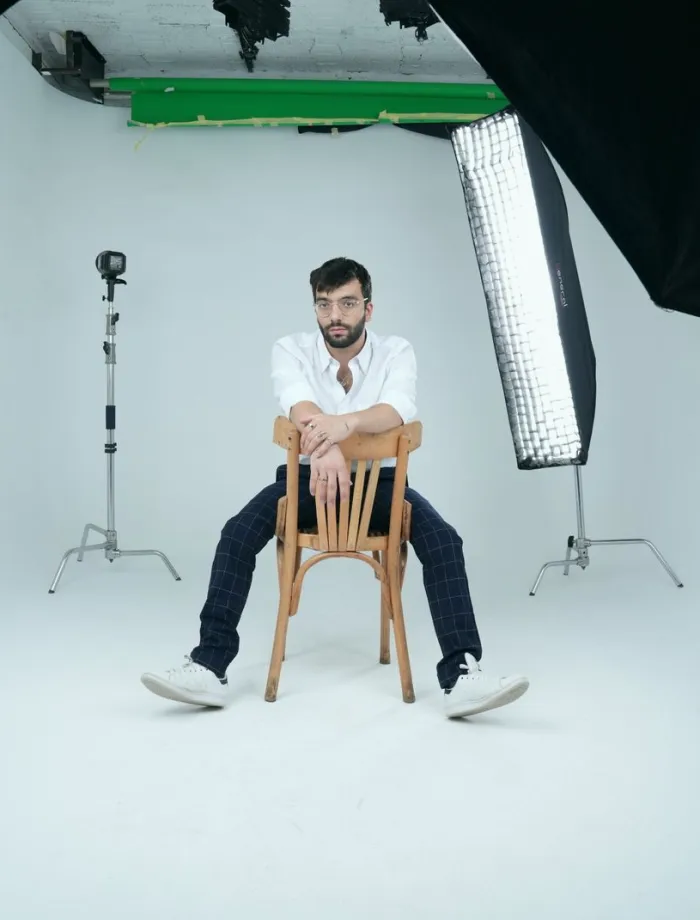
Next comes a written plan. Daniel Thorpe prepares the camera and lighting layout, Priya Nair sets out the audio chain and monitoring, and Callum Reid maps ingest, graphics and playout. Helen Marsden pulls these into a schedule and a quotation, so you see the whole production on paper before anything is confirmed.
On the day, the crew arrives early to rig, test and check every signal path before talent or guests are in the building. Rehearsal time is built into the schedule, because a calm gallery depends on people having run the sequence at least once before transmission or recording starts.
During the shoot, one producer stays in contact with you while the technical leads look after their own areas. Decisions are passed through a single voice in the gallery, which keeps talkback short and avoids crossed instructions during live moments.
Afterwards, we hand over the agreed deliverables and the technical notes for the job, including routing, settings and any issues found. If you return for a second series or a repeat event, that record means set-ups can be recreated accurately without starting again.
What a typical plan covers
- Camera positions, lens choices and operator numbers
- Lighting plot with colour and balance notes
- Microphone plan, mix and monitoring arrangement
- Ingest, graphics and playout routing
- Rehearsal and call-time schedule
- Agreed deliverables and handover notes